Pousar
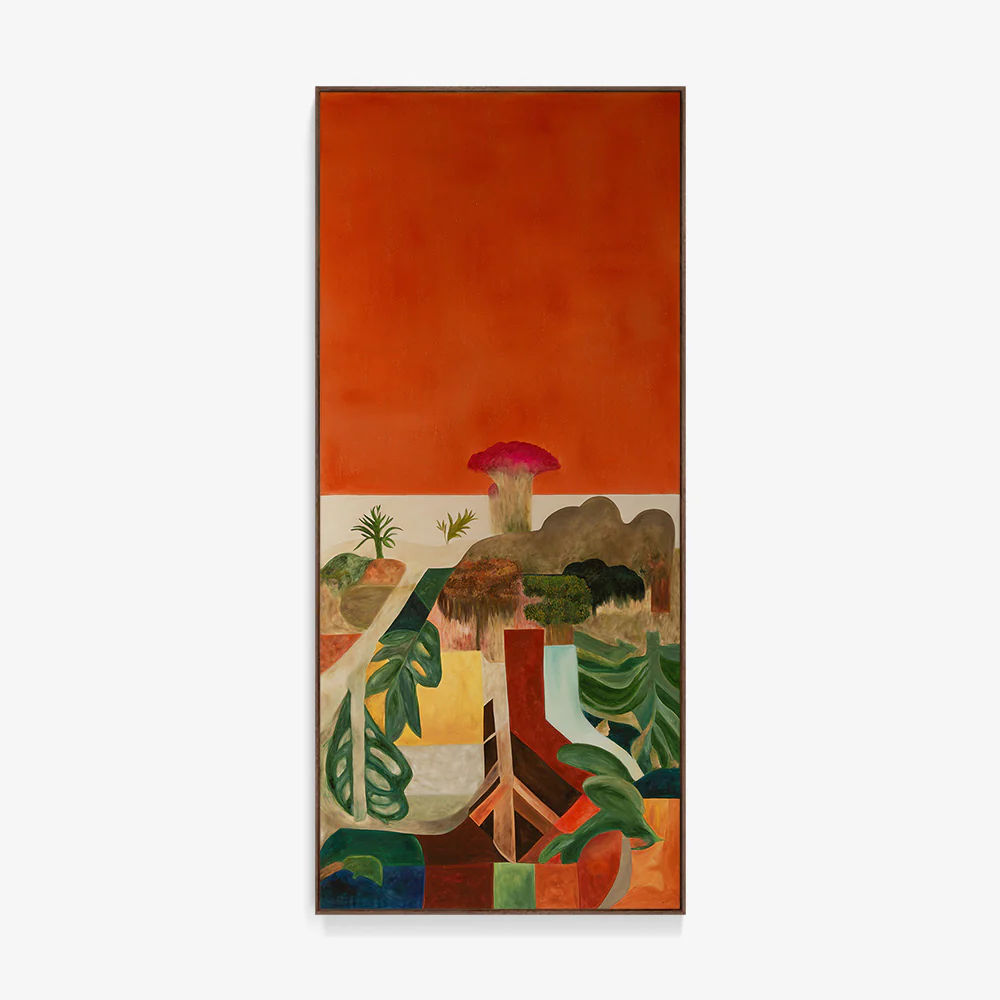
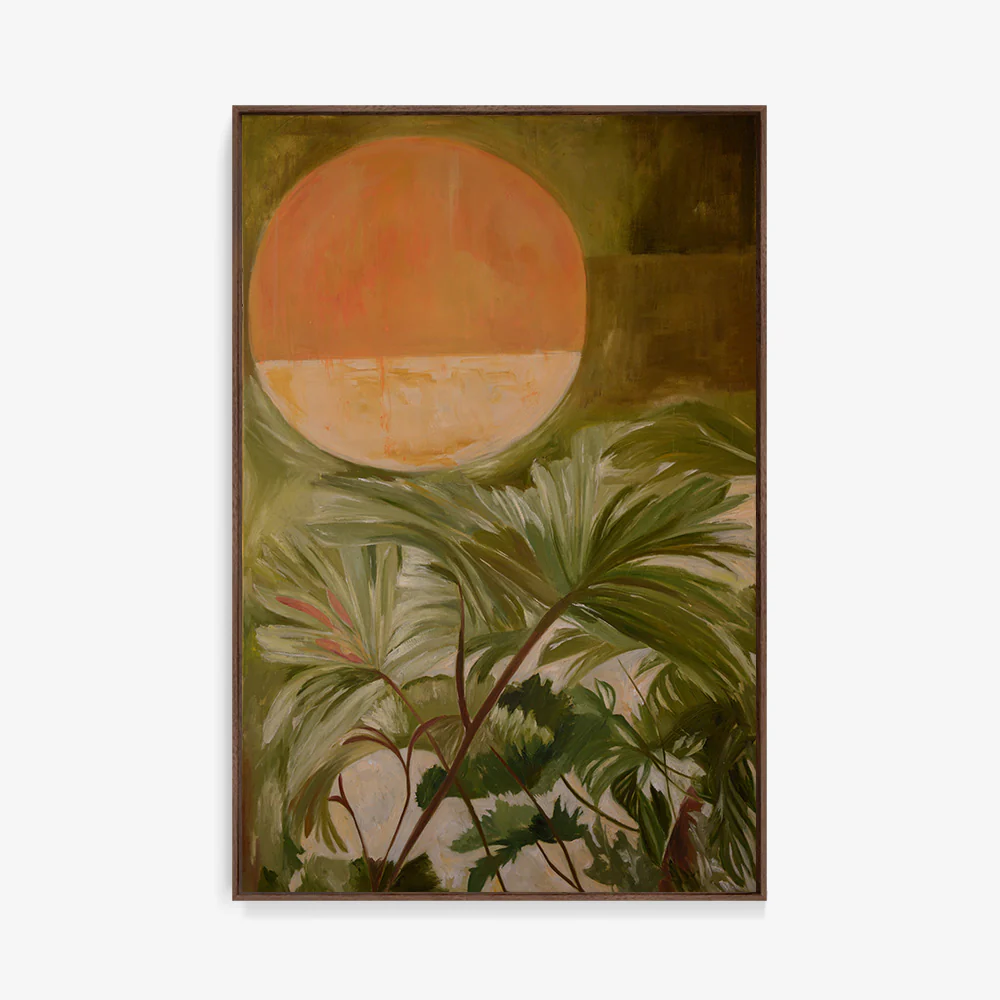
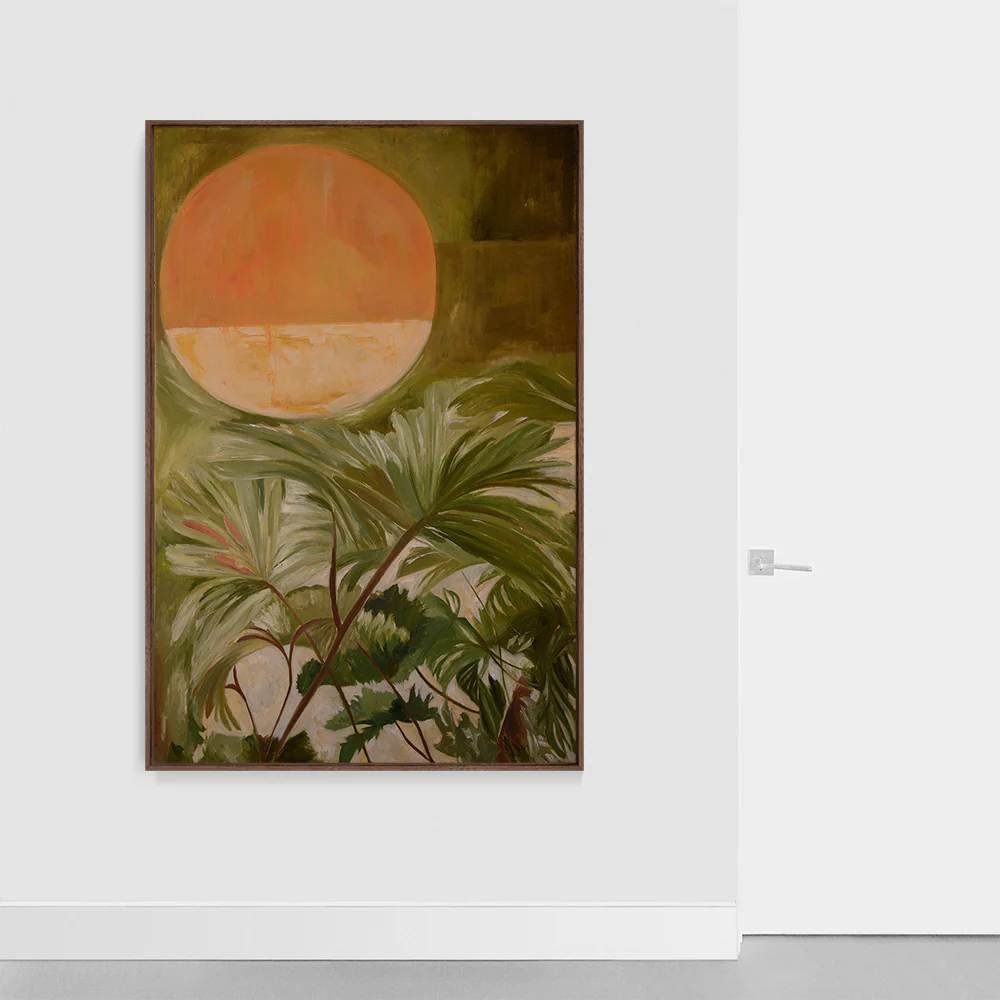
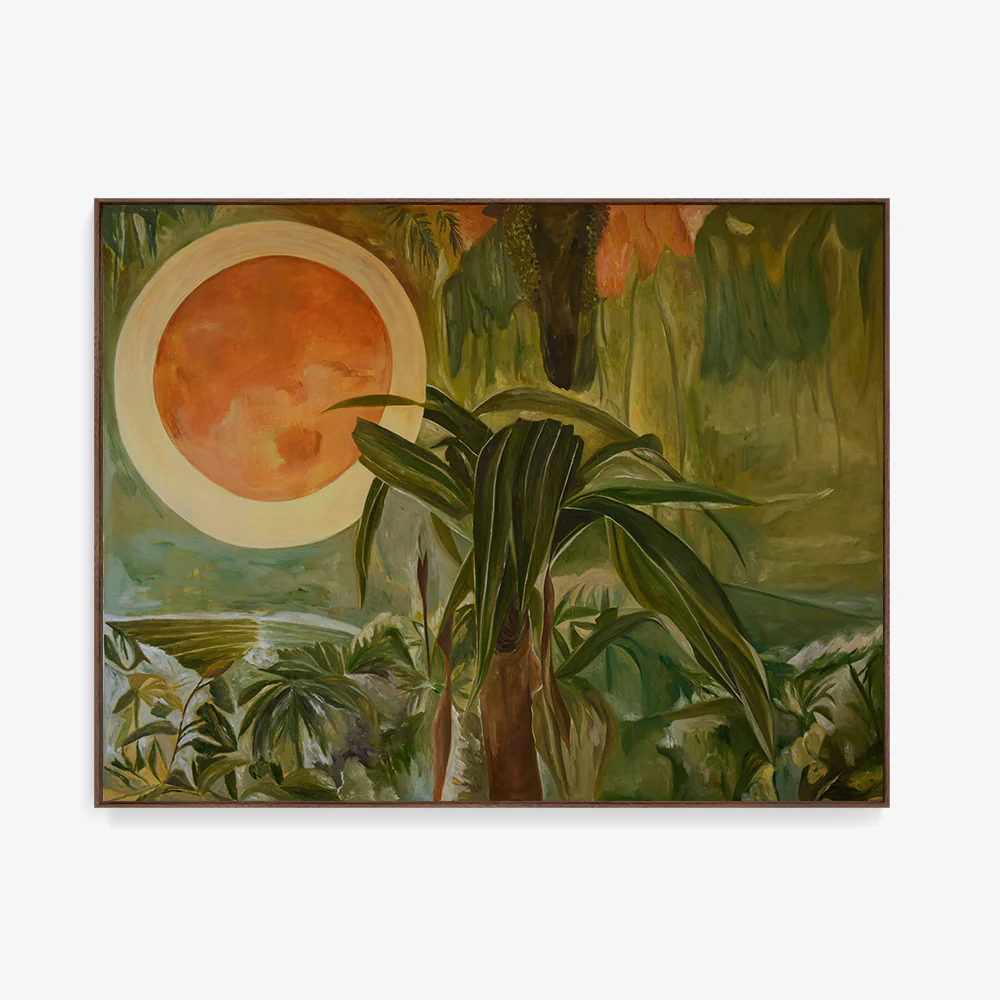
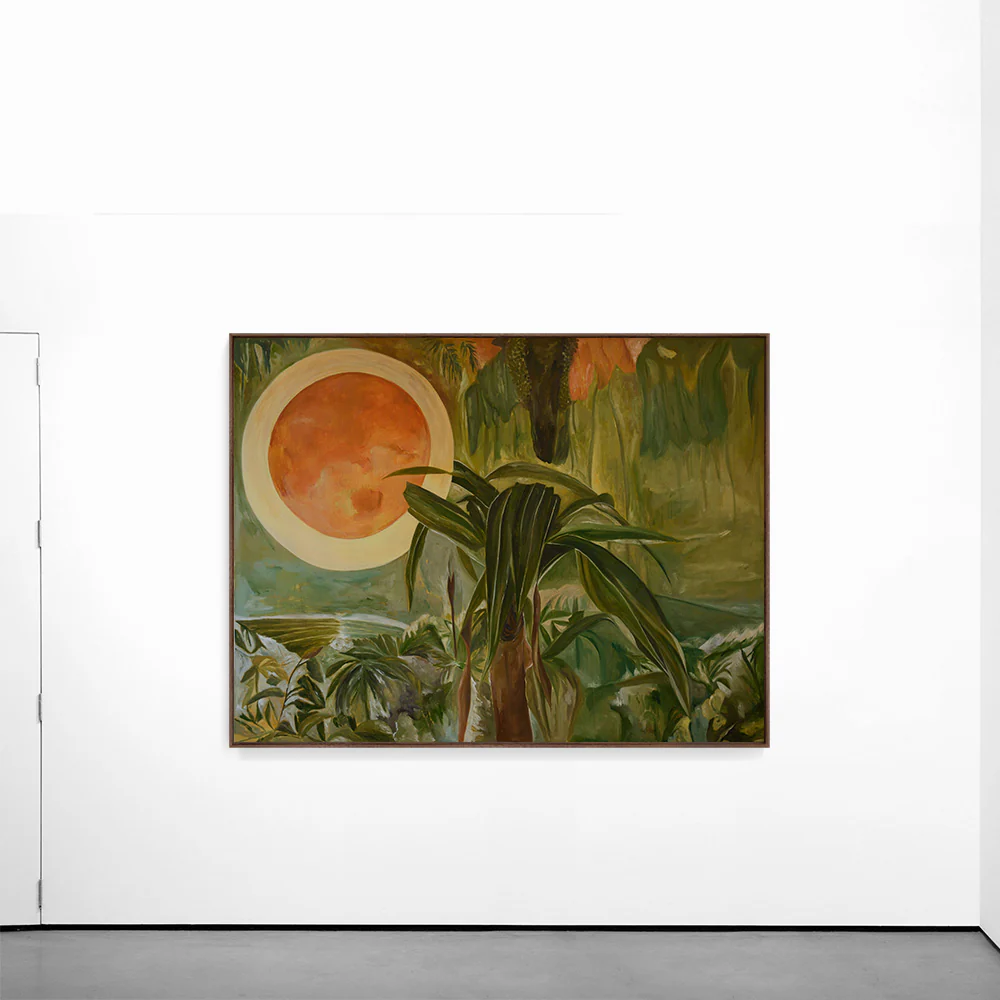
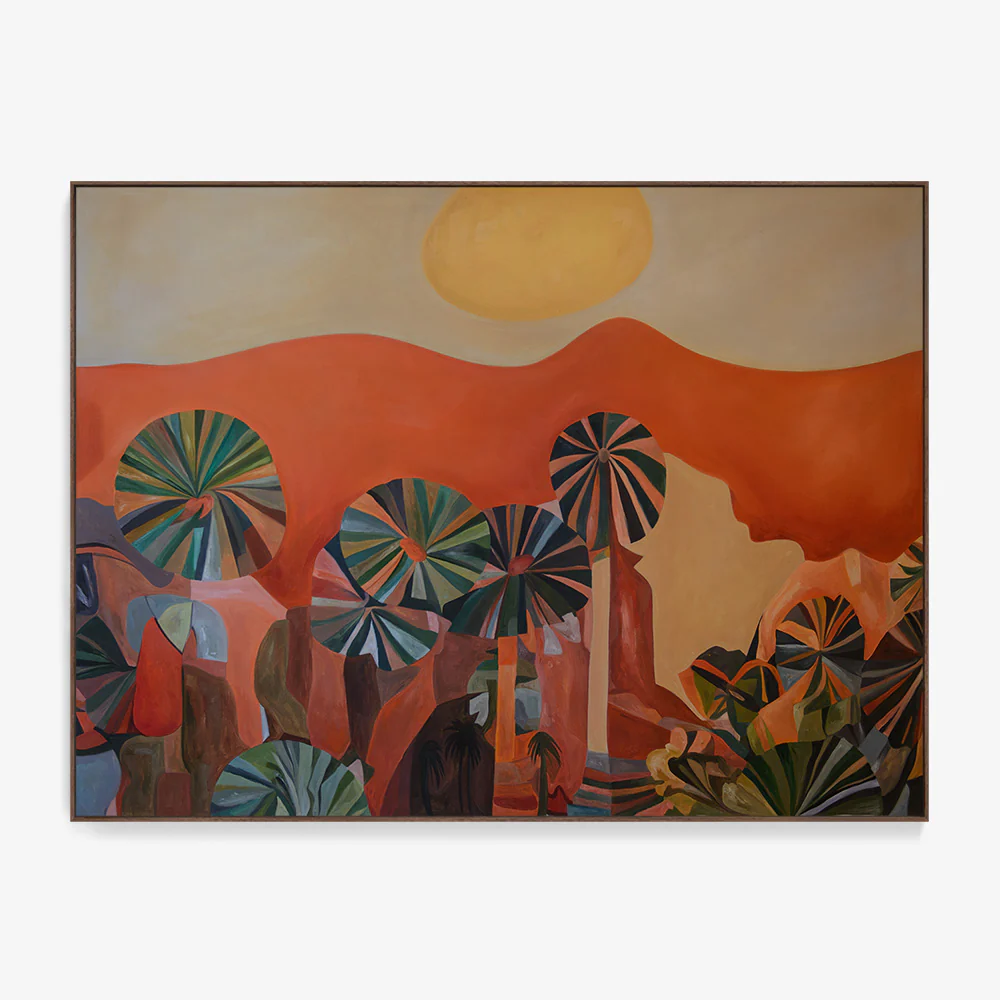
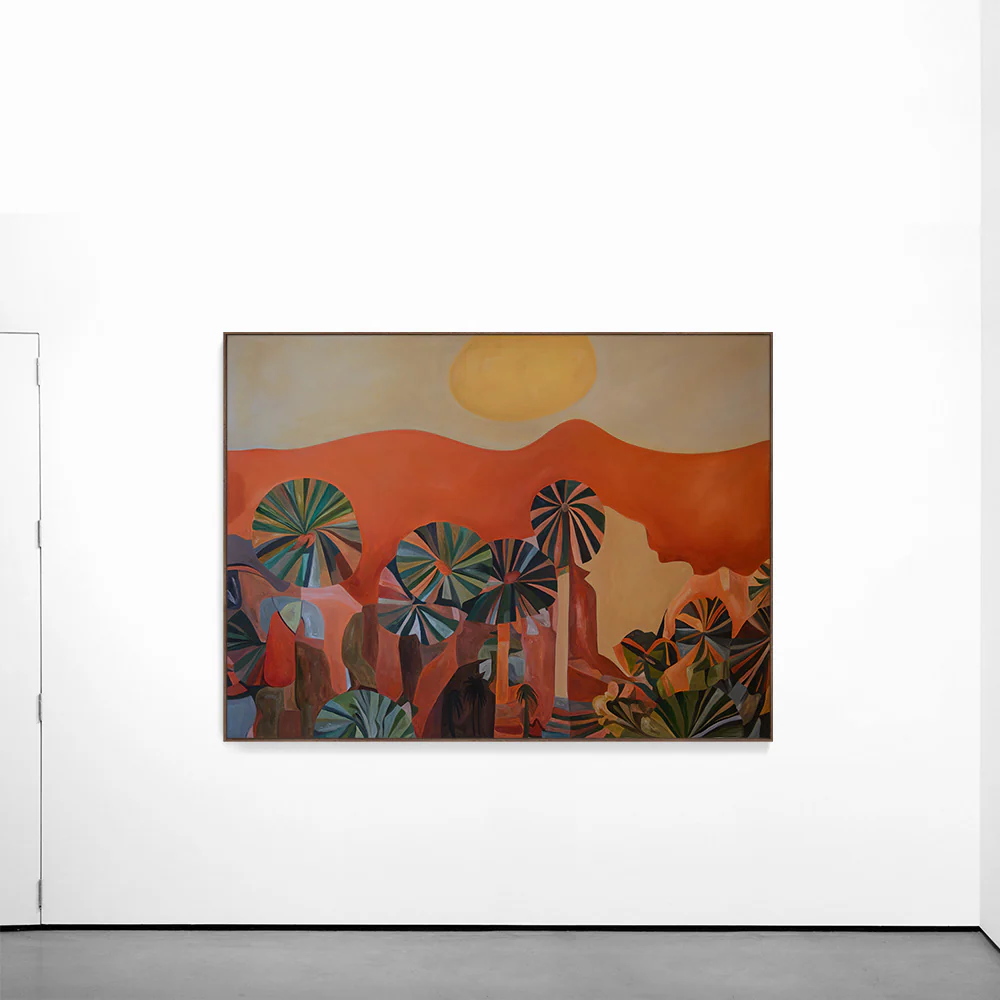
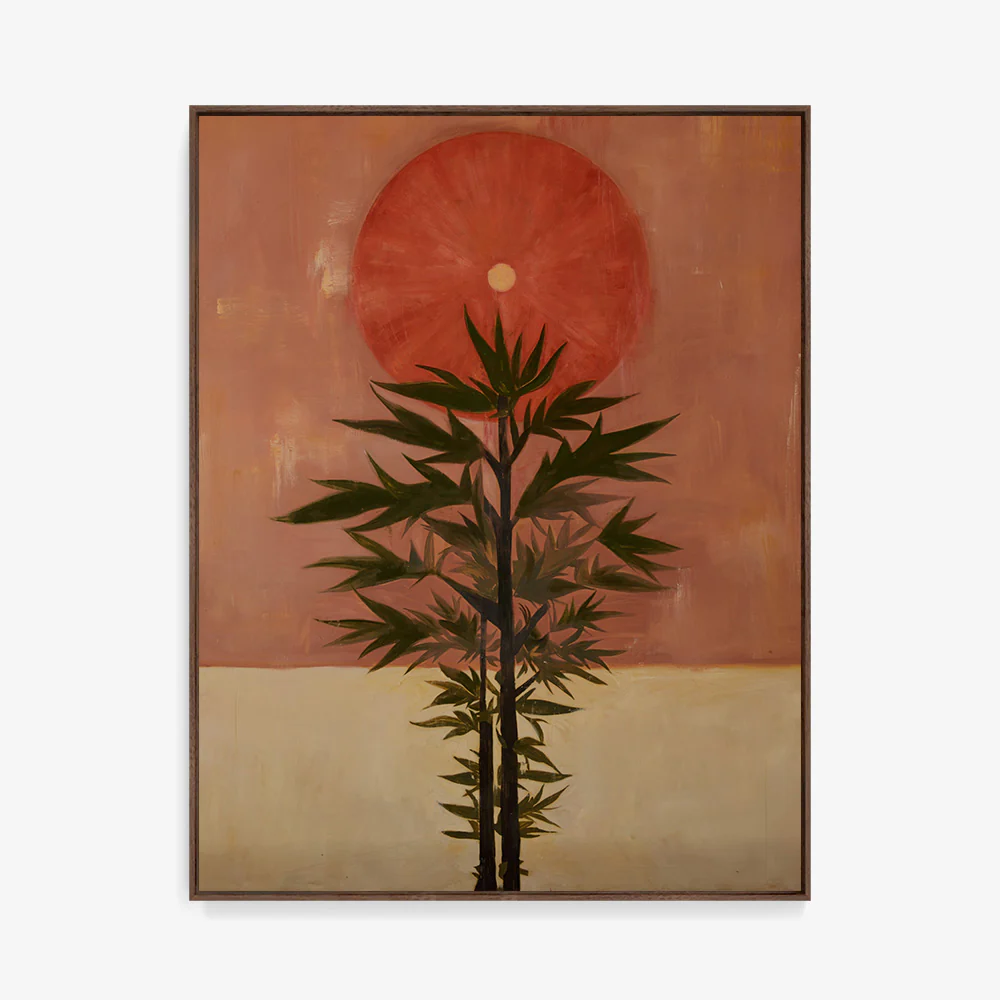
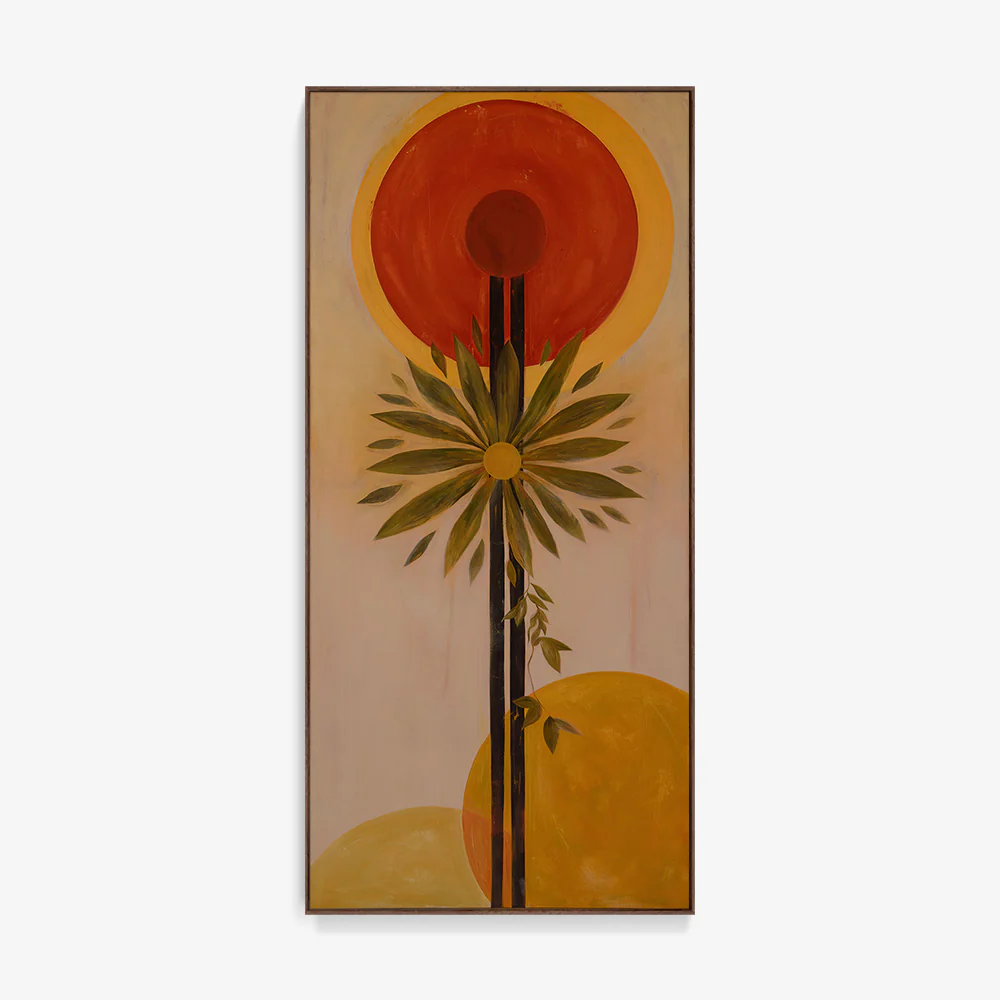
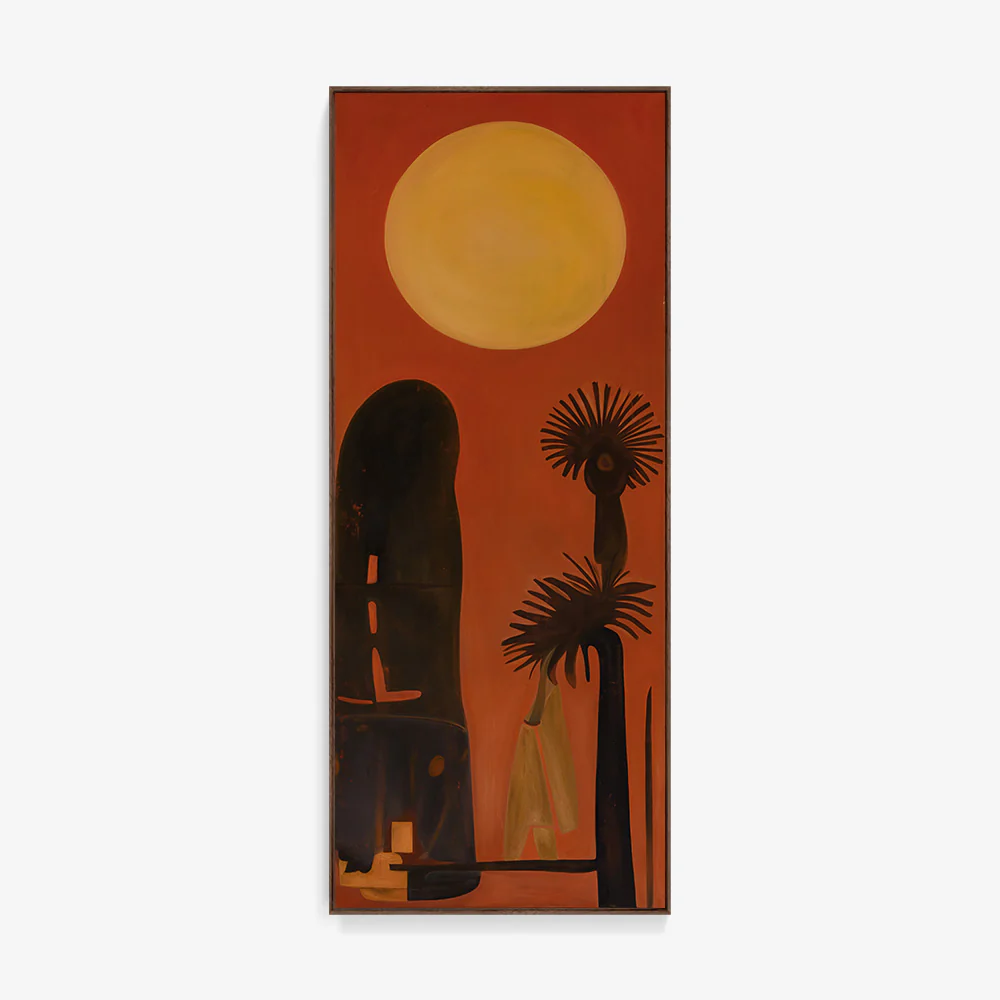
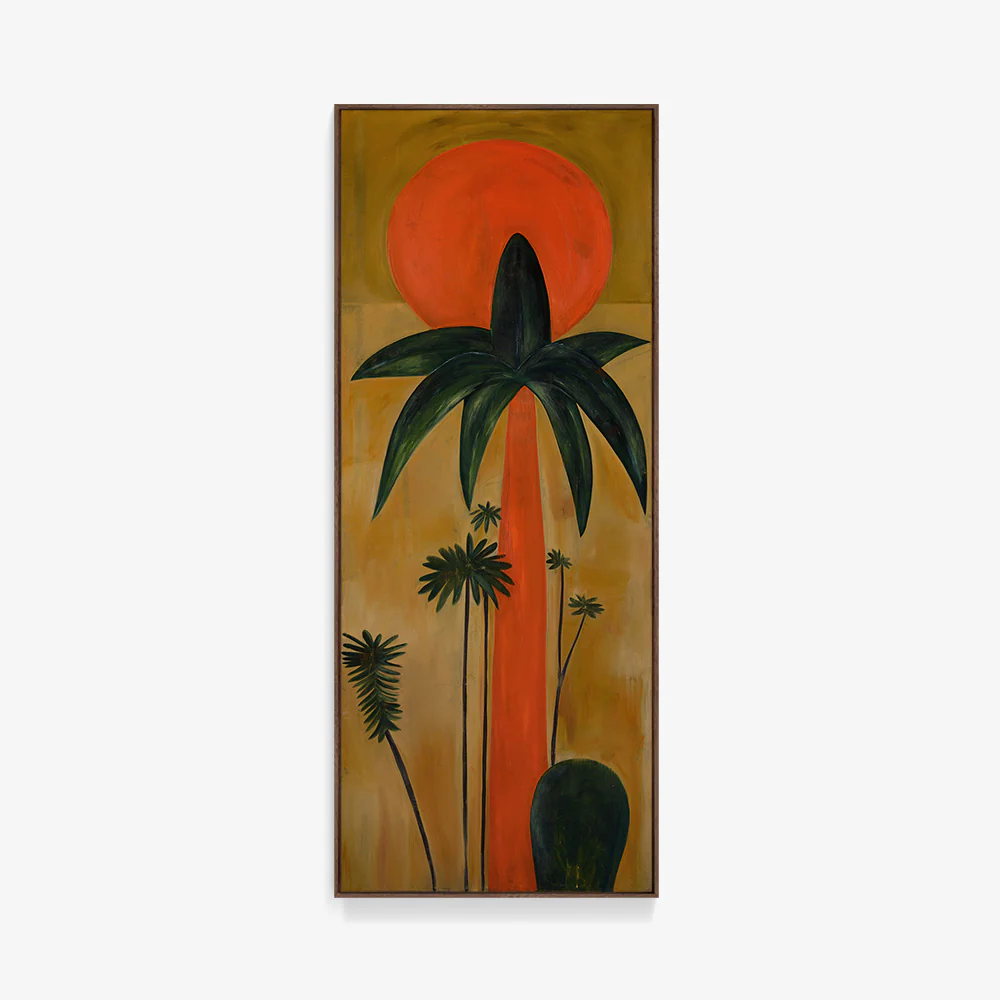
Júlia Martins Miranda’s PINDORAMA series is a luminous tribute to origin, memory, and the rhythms of her Brazilian roots. This series transforms poetry and music into a vivid symphony of color, where the warmth of the sun and the pulse of ancestral sounds shape each composition.
“Pindorama”, meaning “land of the palm trees,” is the name the indigenous Tupi-Guarani people gave to their homeland—centuries before it became known as Brazil. Miranda’s works honor this deep history, drawing from the verses of Adélia Prado, the melodies of Tom Jobim, and the spirit of Brazil’s cultural tapestry. Each painting is an emotional landscape—bold, rhythmic, and alive—where orange becomes the sun’s embrace, light becomes movement, and every brushstroke echoes with the cadence of a distant song.
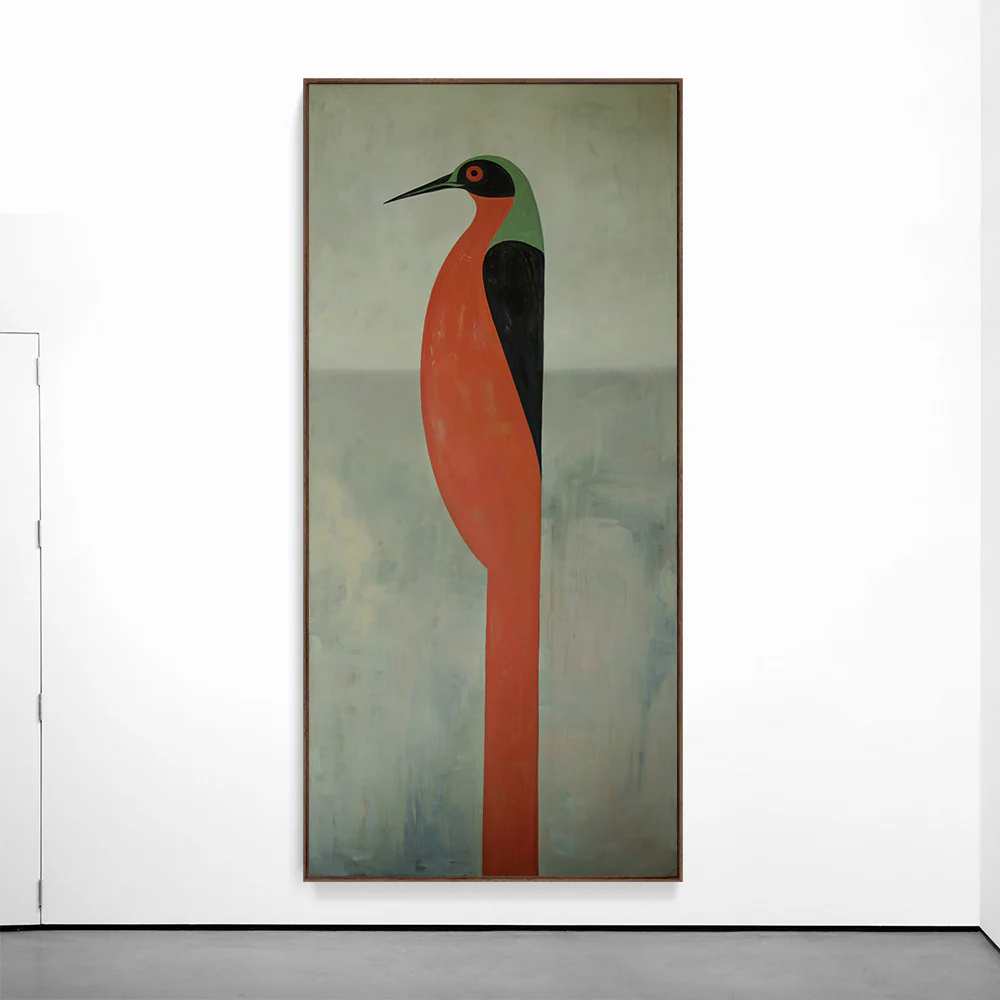
Miranda’s speaks about the paintings Pousar & Voar:
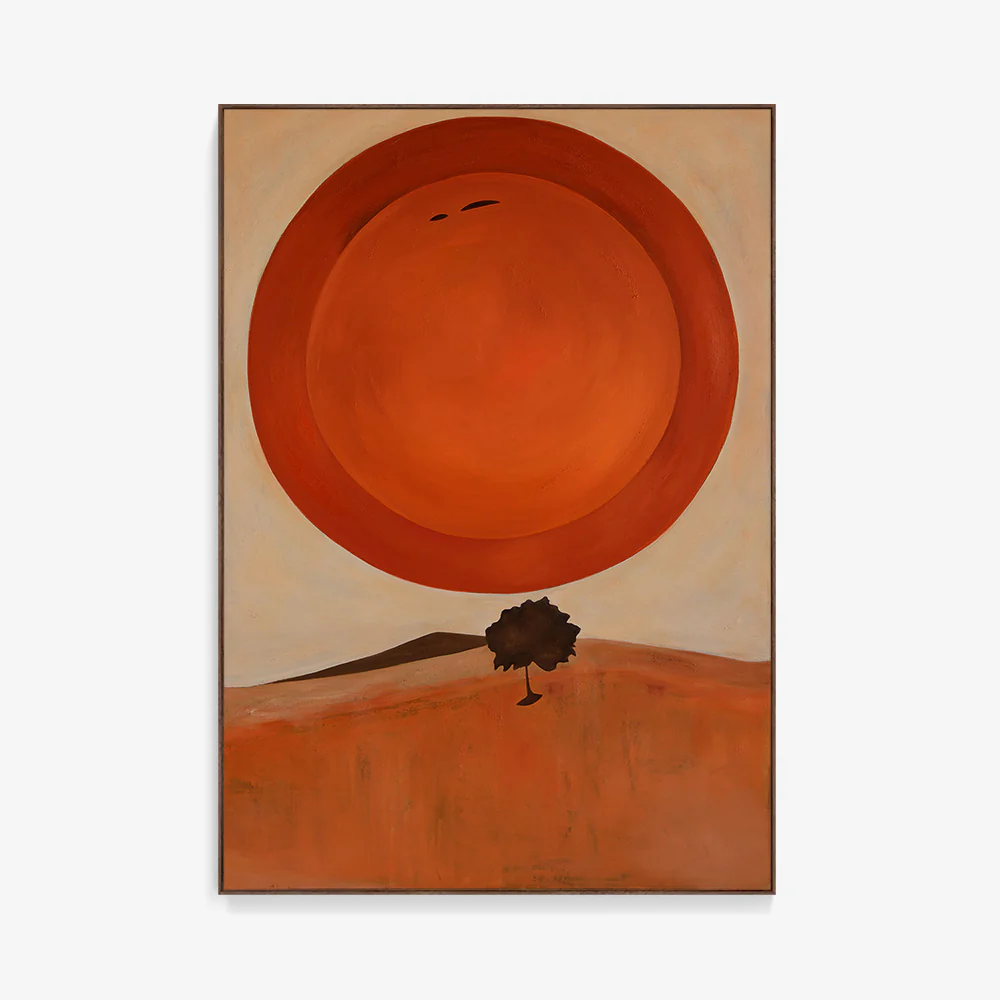
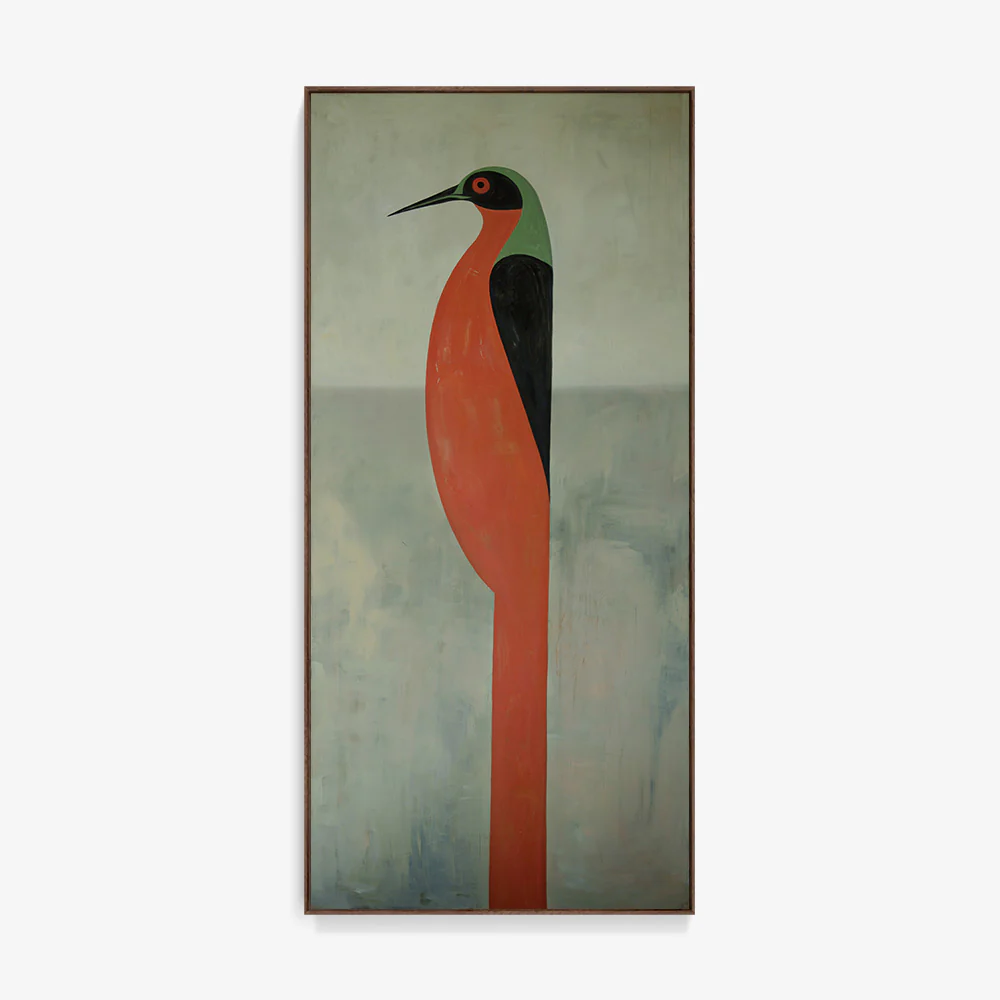
“These paintings embody my ongoing dialogue between leaving and staying, reflecting my desire to do both. They represent an inner duality: wanting to land, wanting to fly.
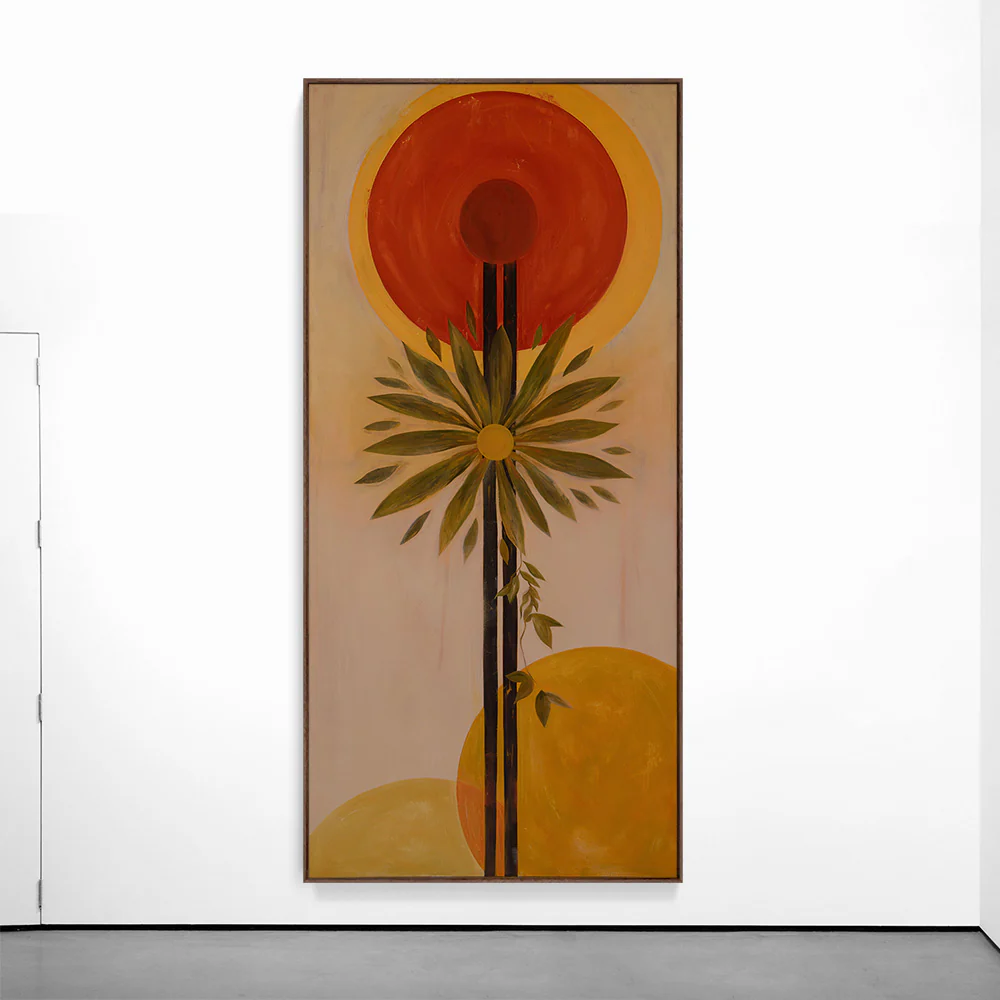
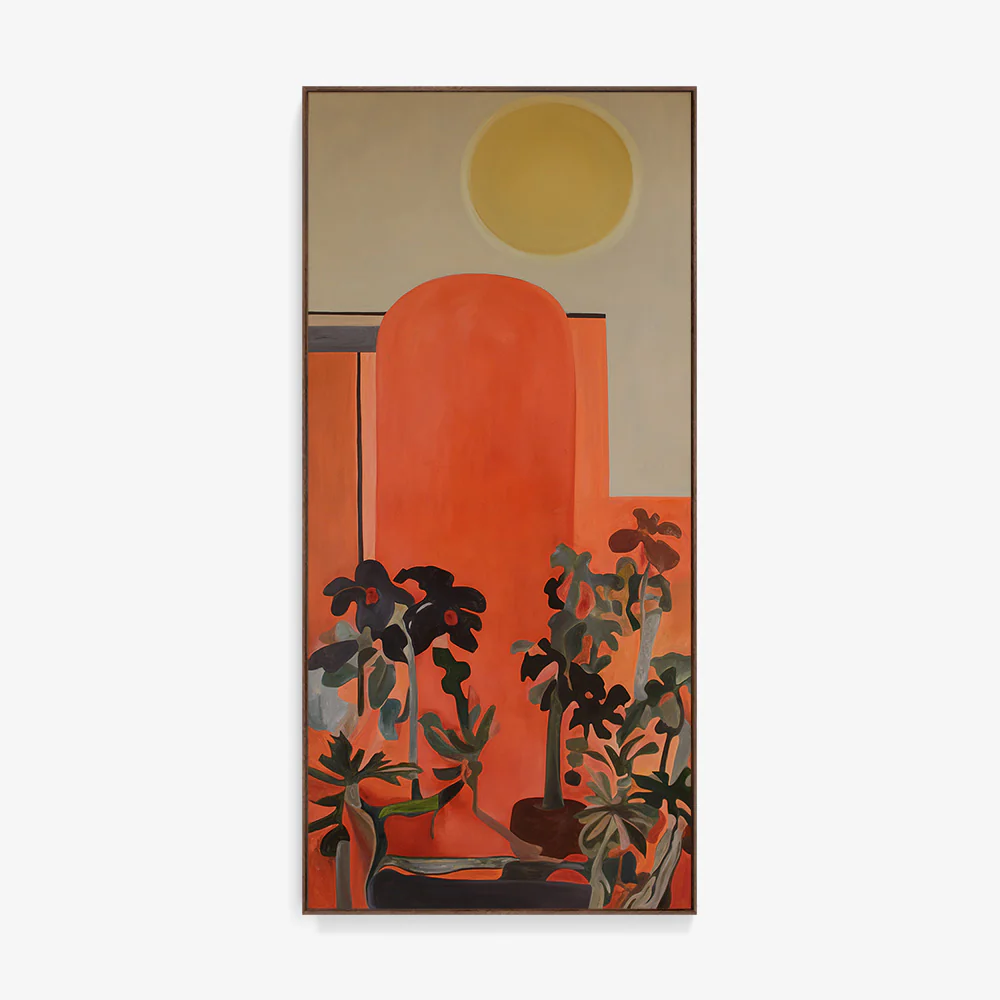
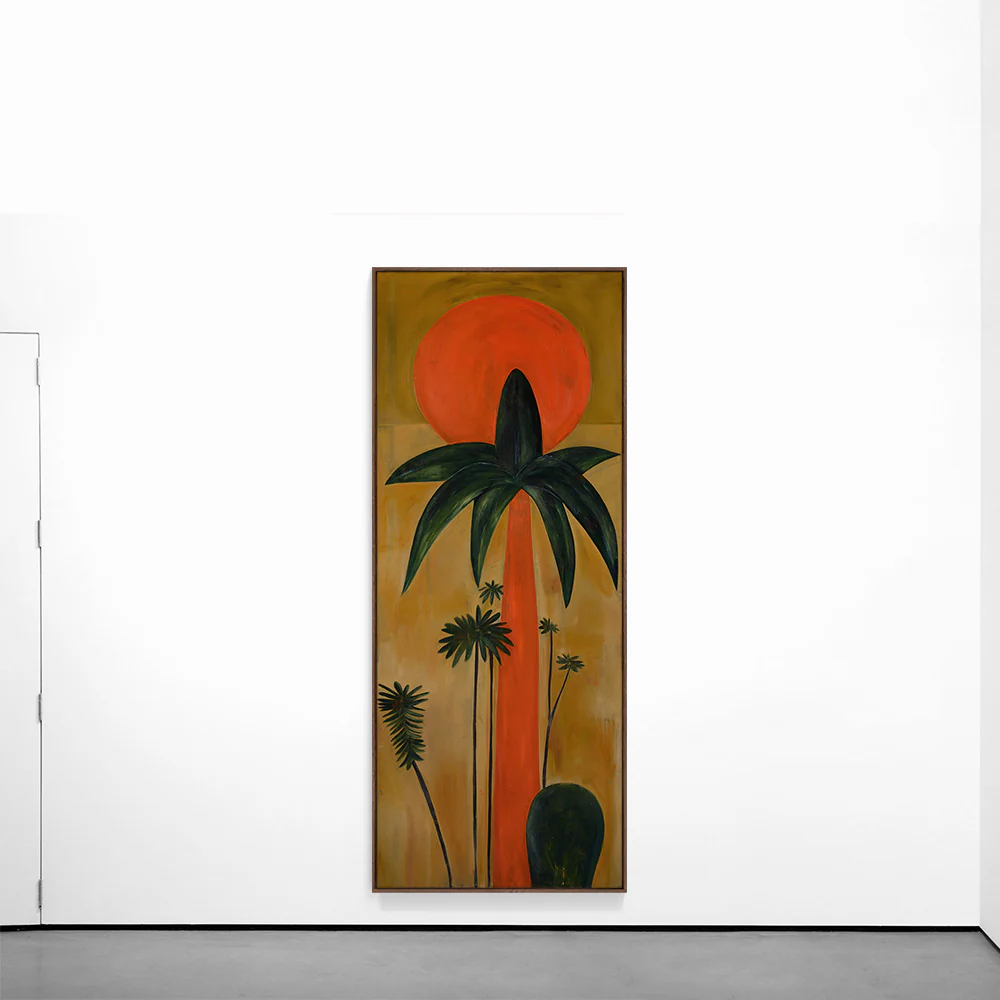
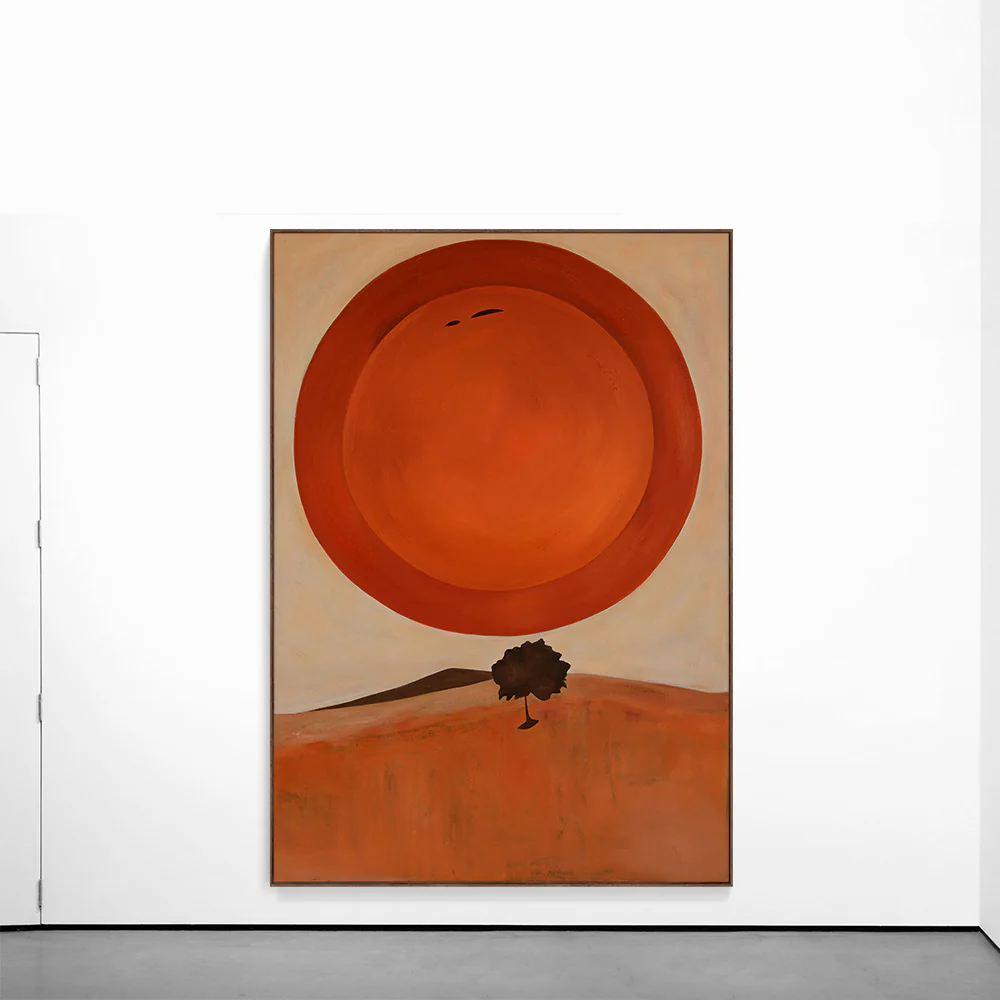
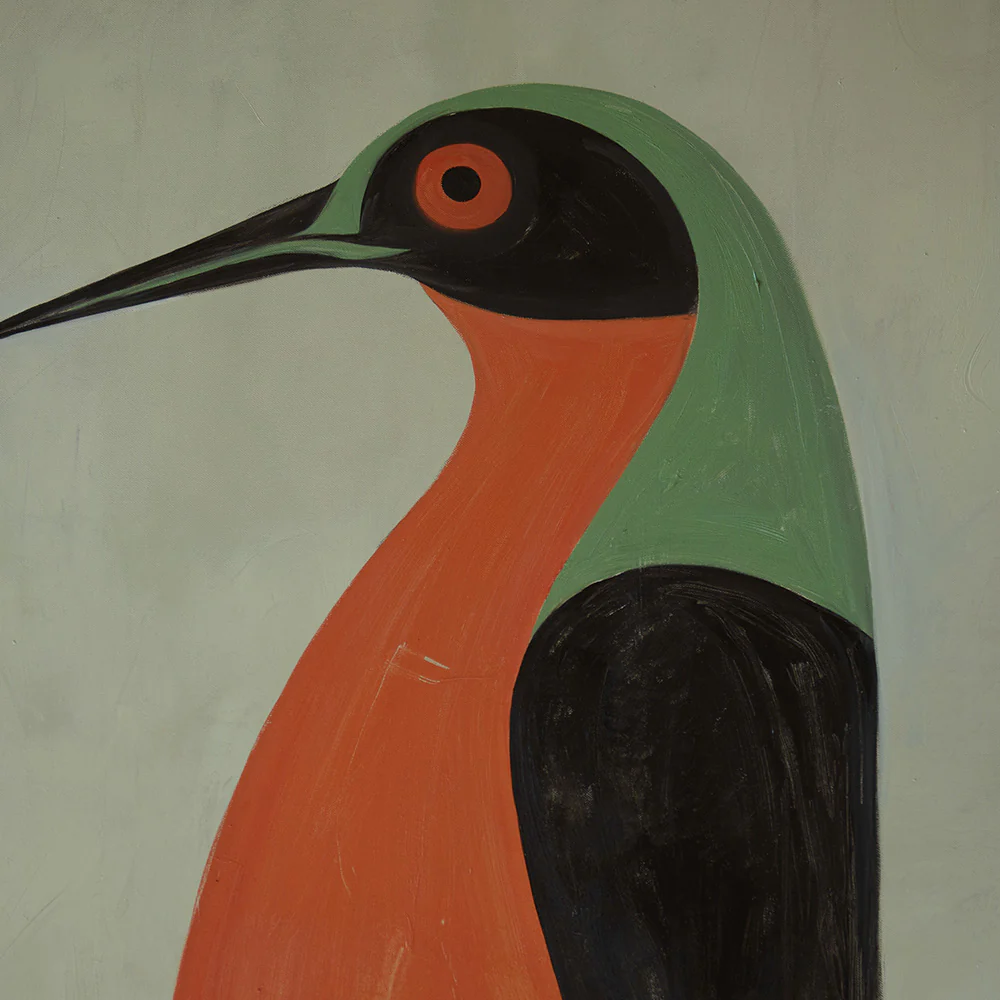
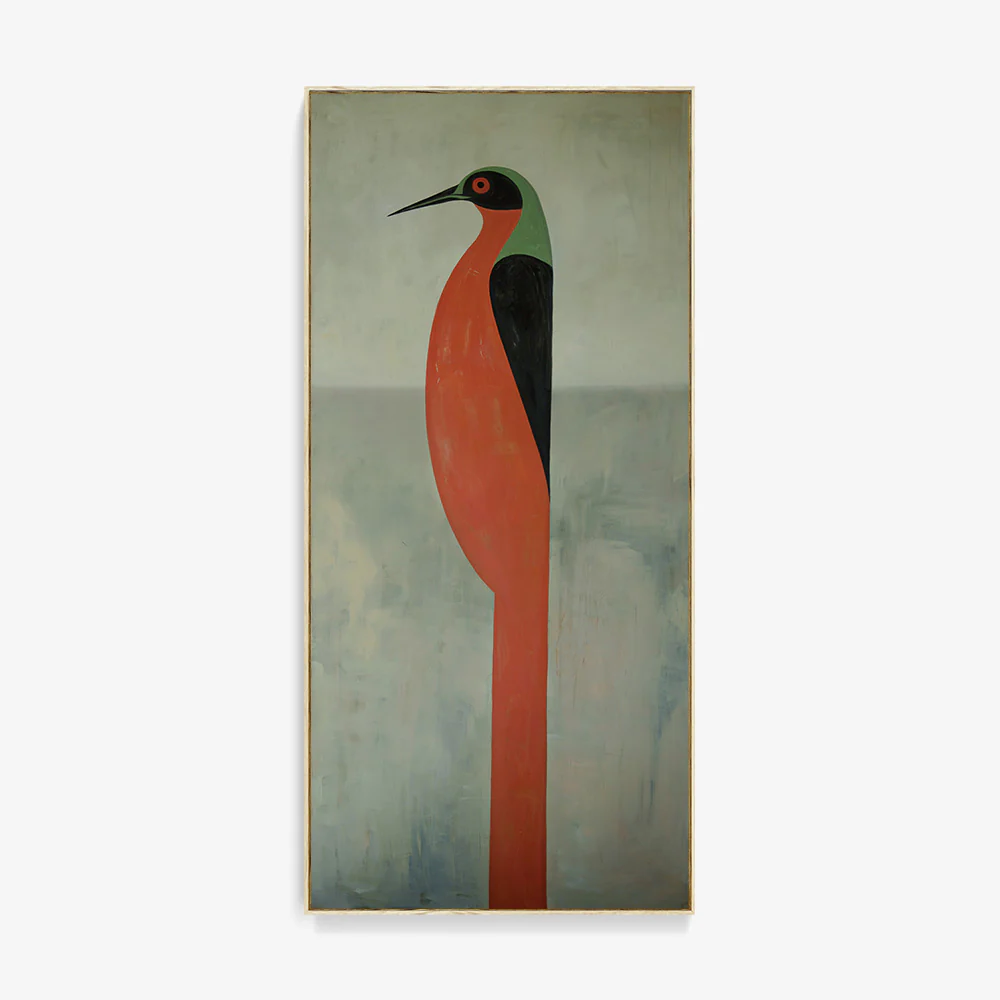
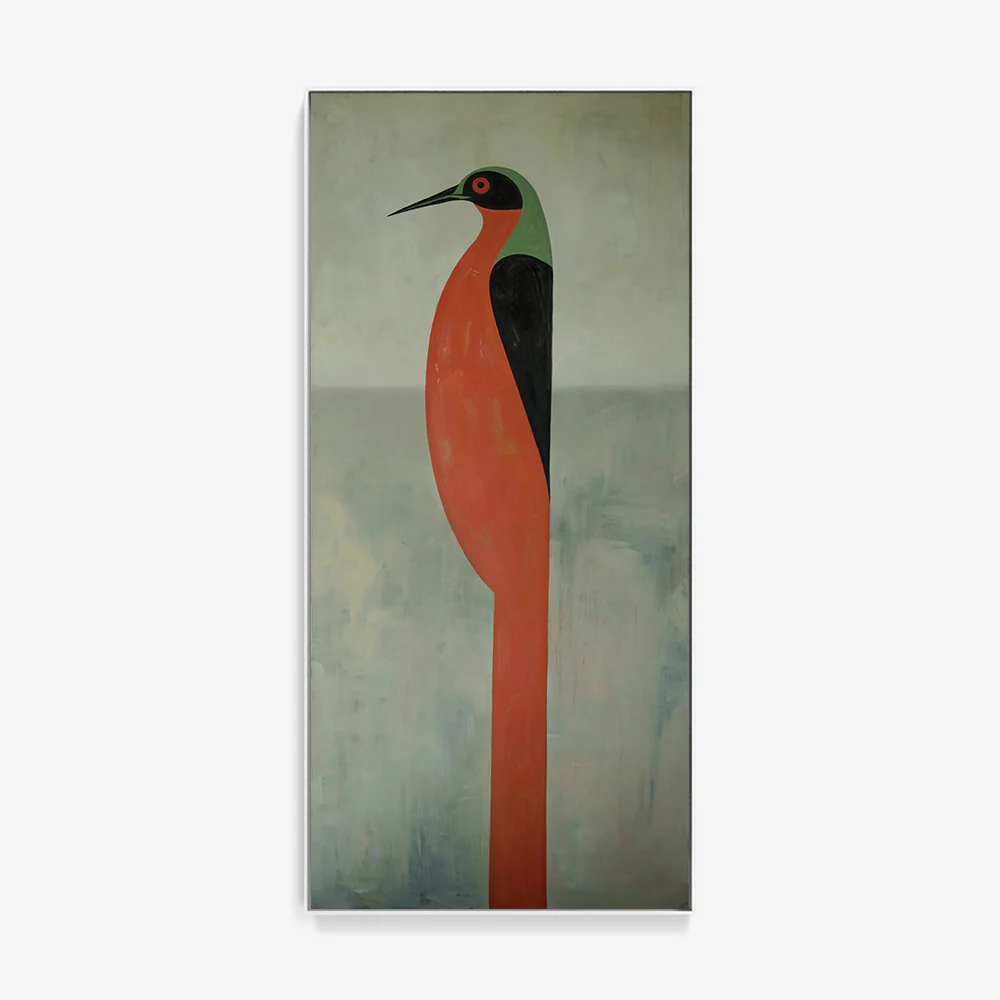
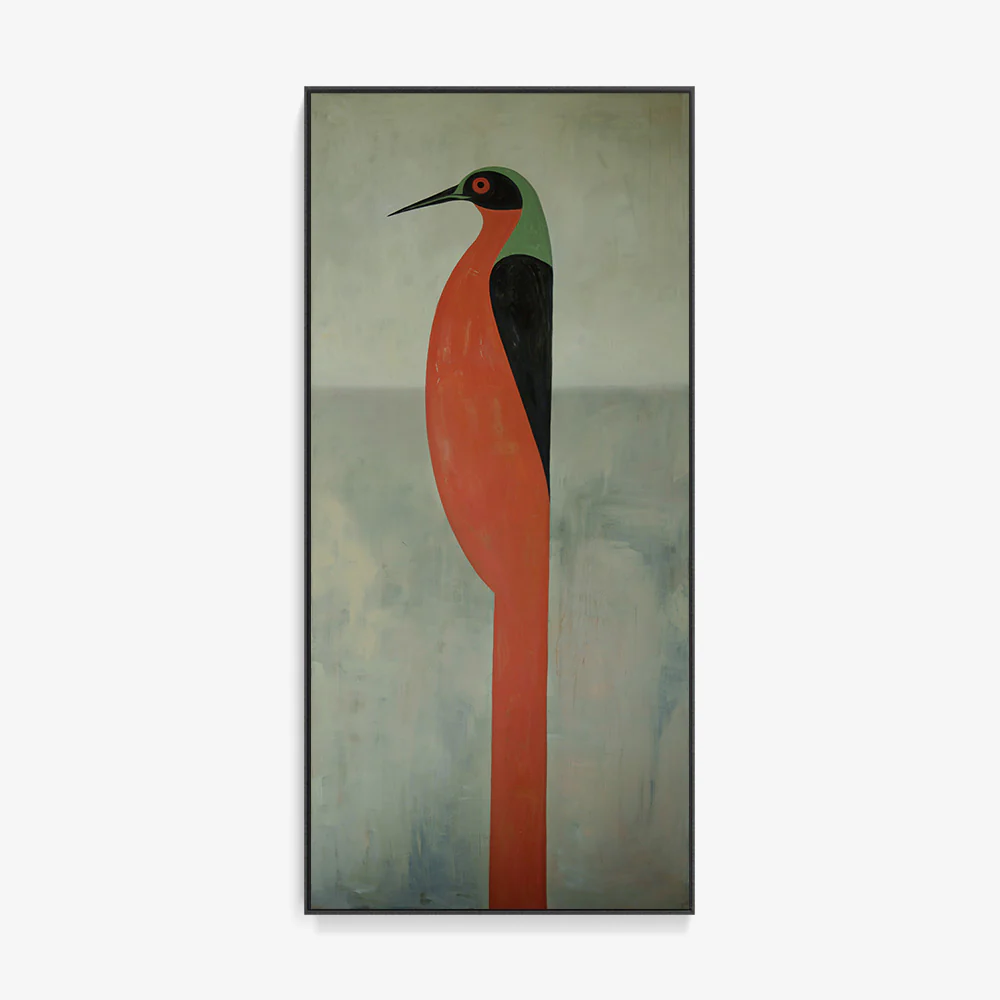
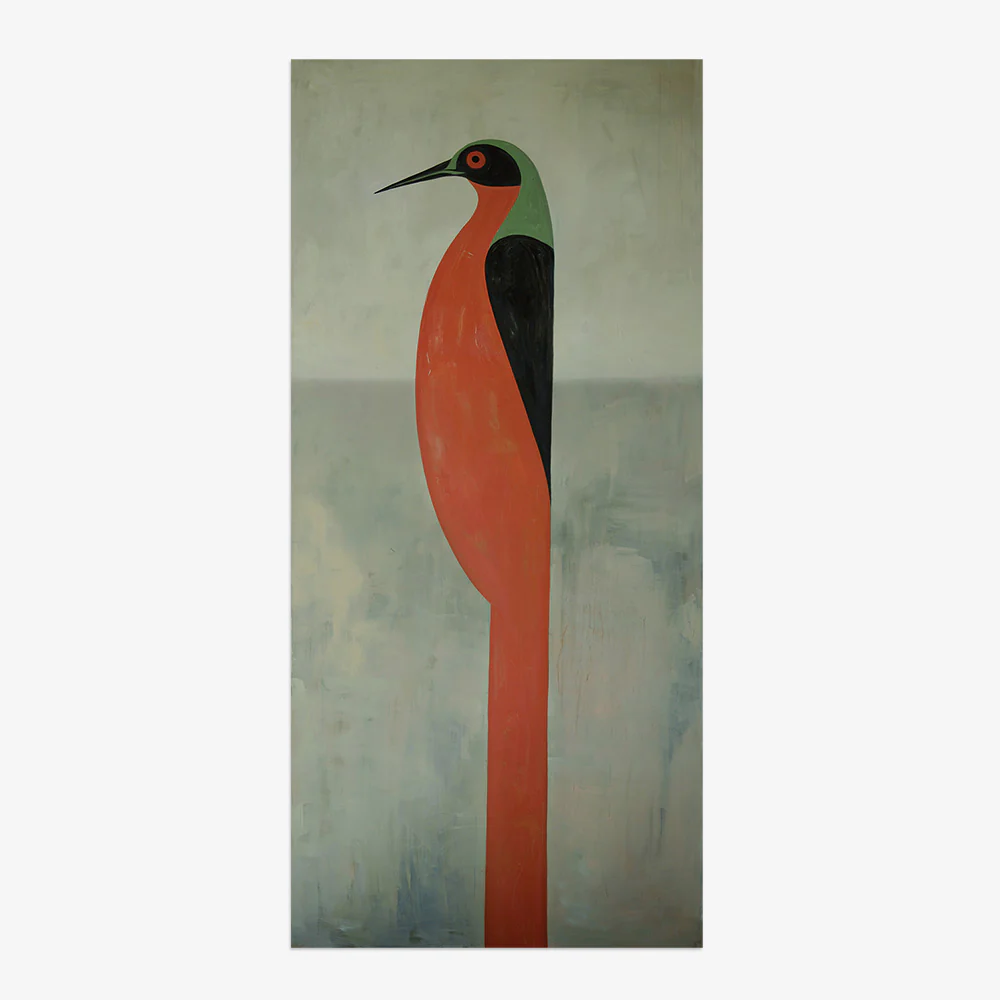
“Pousar” is a mirror to my soul, it’s a moment of pause, an invitation to stillness amidst constant flight. It’s an invitation to slow down, land, and take time to contemplate. The word “pousar” in Portuguese means “to land”.
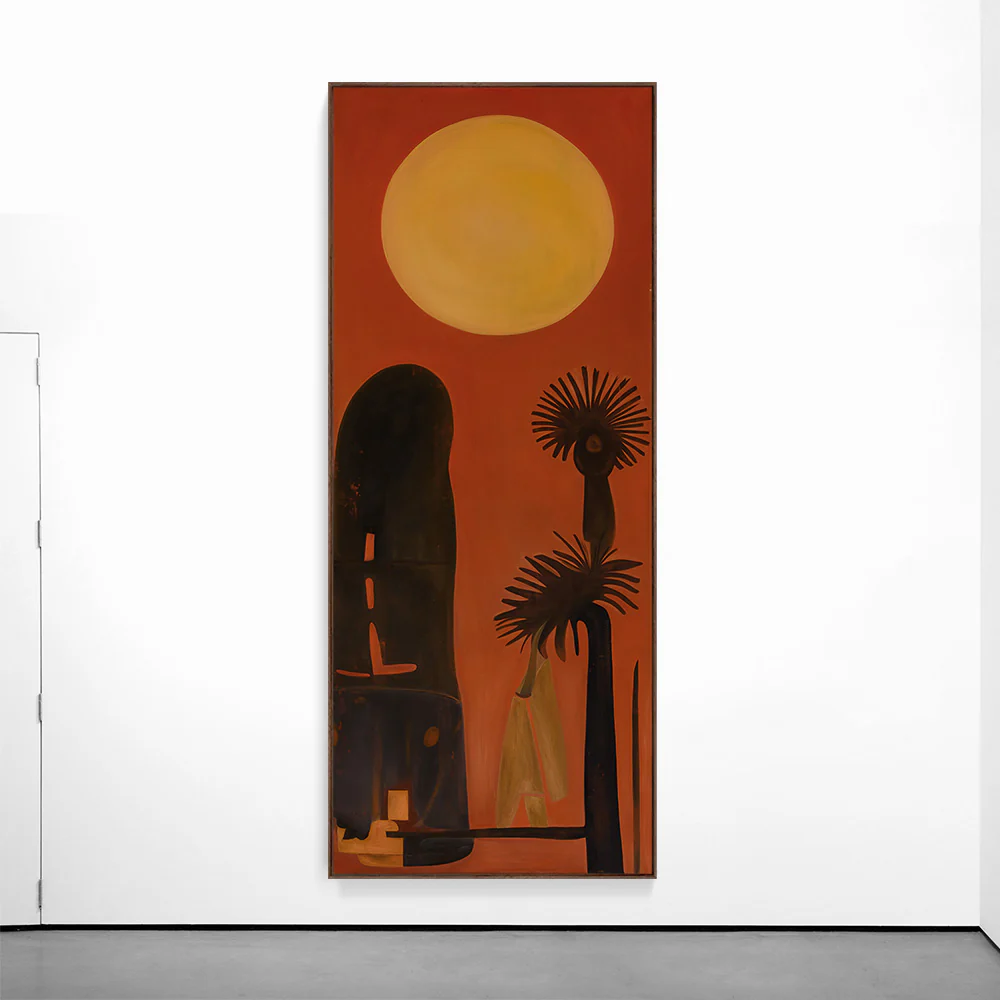
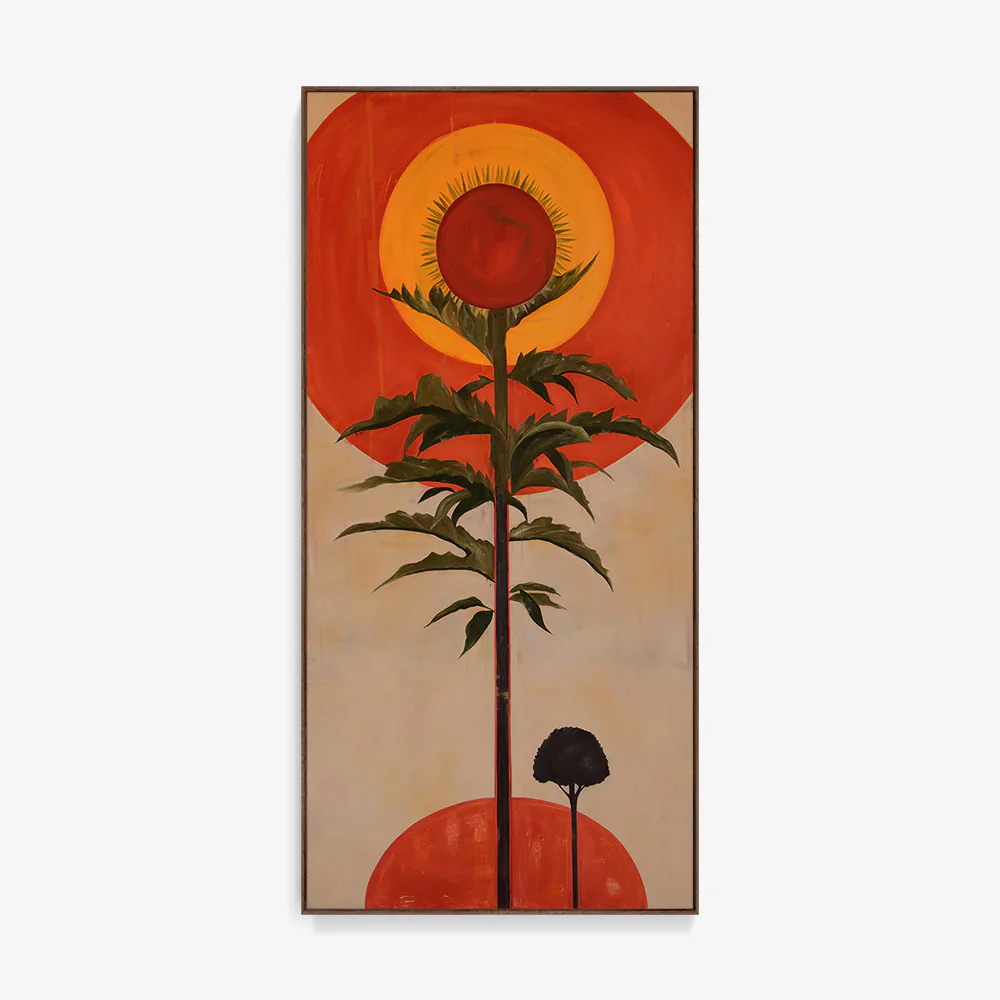
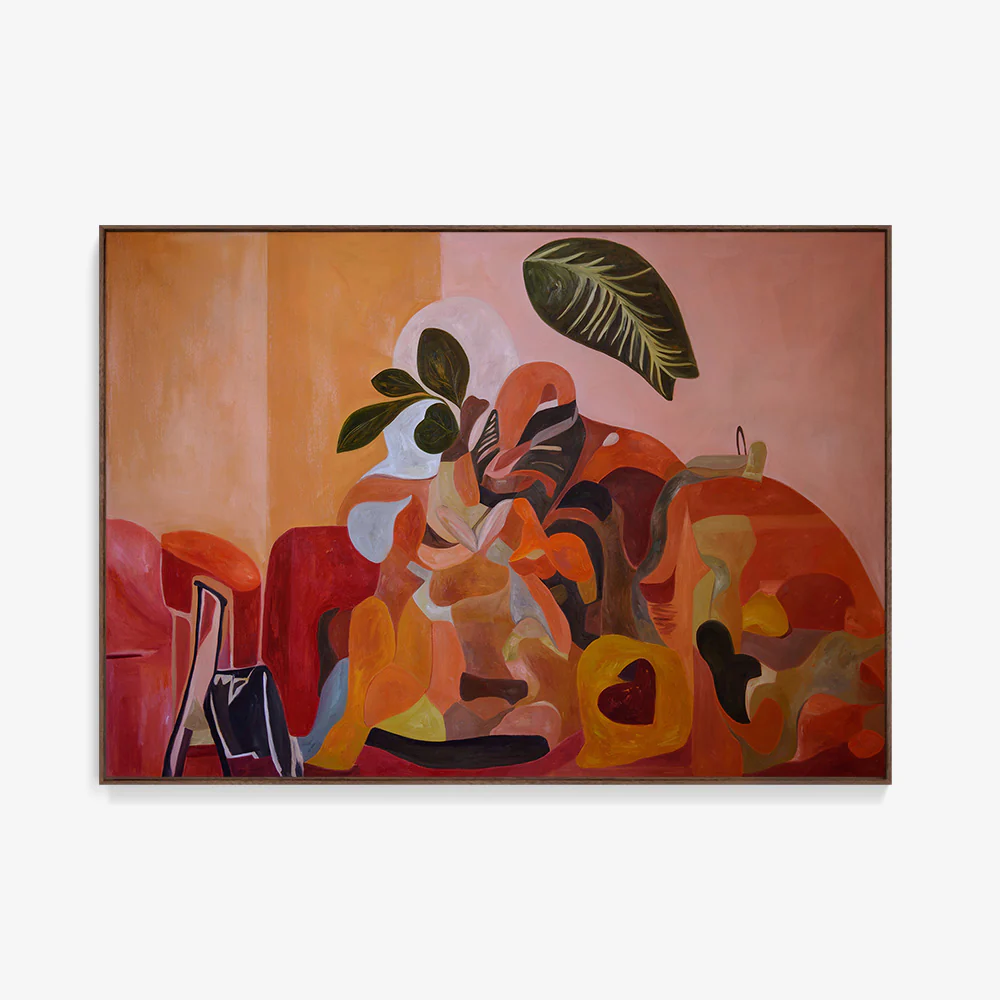
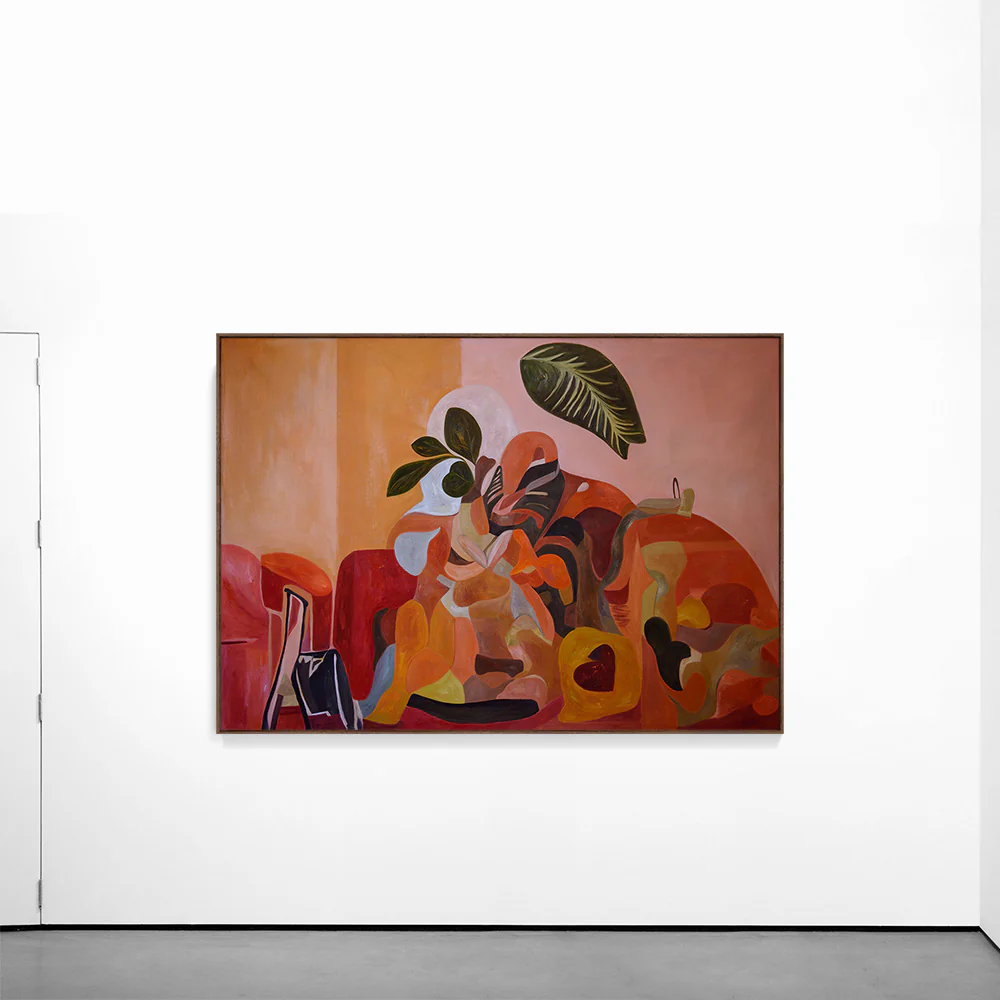
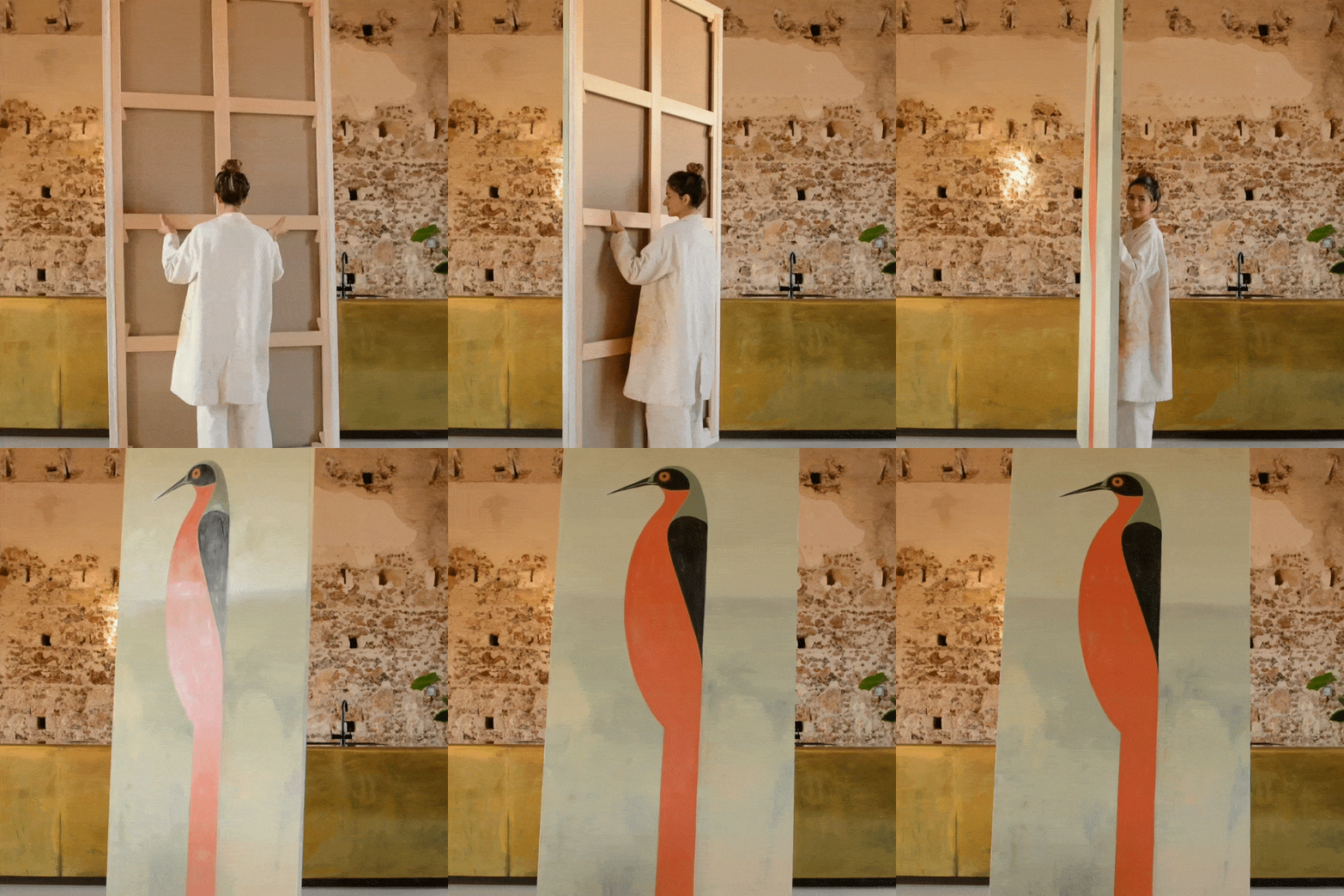
'Voar” (“to fly”, in English) is the answer to the call of the skies - a leap into the unknown, carried by the winds of possibility. It’s the embodiment of motion, of dreams, of a heart daring to let go of the ground. It’s feeling rooted not by the possession of things, but by the strong sense of belonging. To fly is to let go of everything that’s not essential. “For the birds who own nothing - the reason they can fly.” - Mary Oliver.
I’m constantly on a flight. Even when my body isn't, my mind certainly is.”
About the series:
“[this series is] an ode to life and joy, and celebrates feelings that are deeply associated with my own roots, my land, my family, and the environment that defines an important piece of who I am. It captures the warmth, vibrancy, rhythms, and movement of my Pindorama, and honors a culture that I love and carry with me no matter where I am. The Pindorama series is an invitation to enter my universe through a symphony of colors that evoke the spirit and sounds of my homeland.”
Description
Júlia Martins Miranda’s PINDORAMA series is a luminous tribute to origin, memory, and the rhythms of her Brazilian roots. This series transforms poetry and music into a vivid symphony of color, where the warmth of the sun and the pulse of ancestral sounds shape each composition.
“Pindorama”, meaning “land of the palm trees,” is the name the indigenous Tupi-Guarani people gave to their homeland—centuries before it became known as Brazil. Miranda’s works honor this deep history, drawing from the verses of Adélia Prado, the melodies of Tom Jobim, and the spirit of Brazil’s cultural tapestry. Each painting is an emotional landscape—bold, rhythmic, and alive—where orange becomes the sun’s embrace, light becomes movement, and every brushstroke echoes with the cadence of a distant song.
Miranda’s speaks about the paintings Pousar & Voar:
“These paintings embody my ongoing dialogue between leaving and staying, reflecting my desire to do both. They represent an inner duality: wanting to land, wanting to fly.
“Pousar” is a mirror to my soul, it’s a moment of pause, an invitation to stillness amidst constant flight. It’s an invitation to slow down, land, and take time to contemplate. The word “pousar” in Portuguese means “to land”.
'Voar” (“to fly”, in English) is the answer to the call of the skies - a leap into the unknown, carried by the winds of possibility. It’s the embodiment of motion, of dreams, of a heart daring to let go of the ground. It’s feeling rooted not by the possession of things, but by the strong sense of belonging. To fly is to let go of everything that’s not essential. “For the birds who own nothing - the reason they can fly.” - Mary Oliver.
I’m constantly on a flight. Even when my body isn't, my mind certainly is.”
About the series:
“[this series is] an ode to life and joy, and celebrates feelings that are deeply associated with my own roots, my land, my family, and the environment that defines an important piece of who I am. It captures the warmth, vibrancy, rhythms, and movement of my Pindorama, and honors a culture that I love and carry with me no matter where I am. The Pindorama series is an invitation to enter my universe through a symphony of colors that evoke the spirit and sounds of my homeland.”