Hadal Eroded Veil
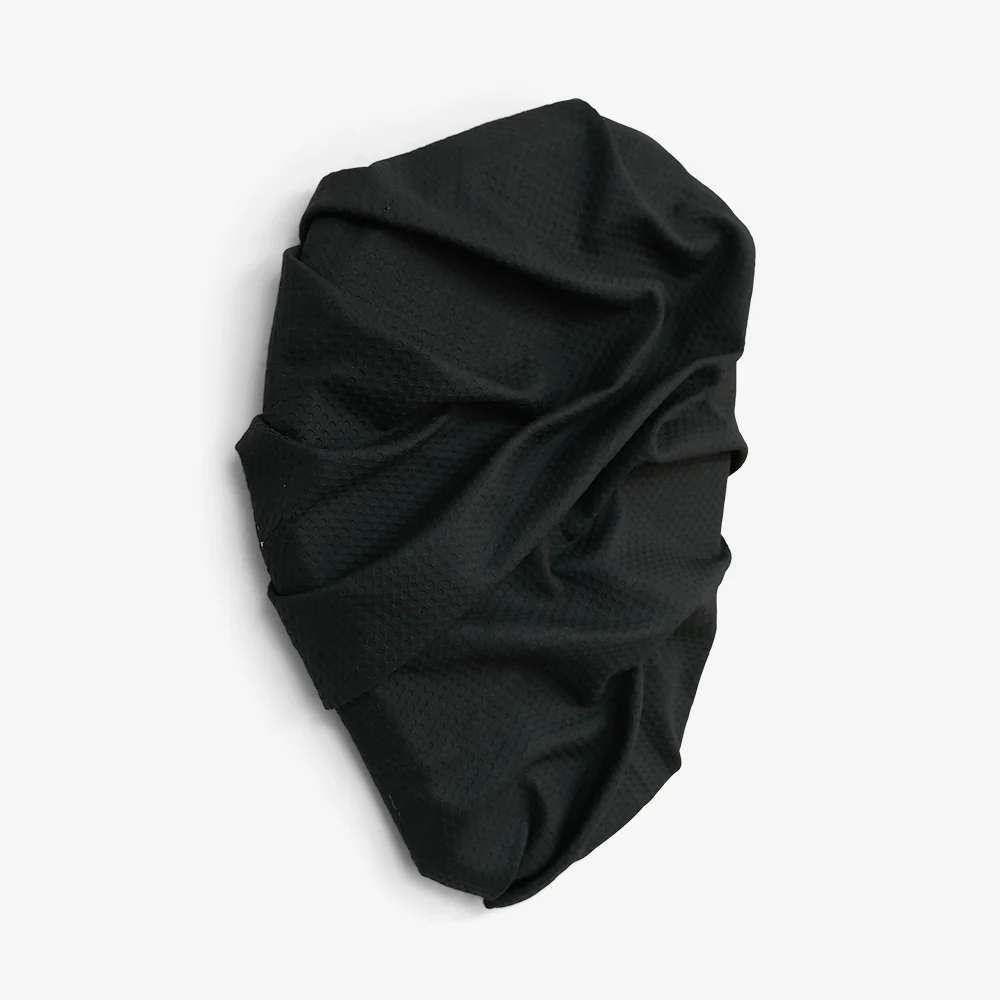
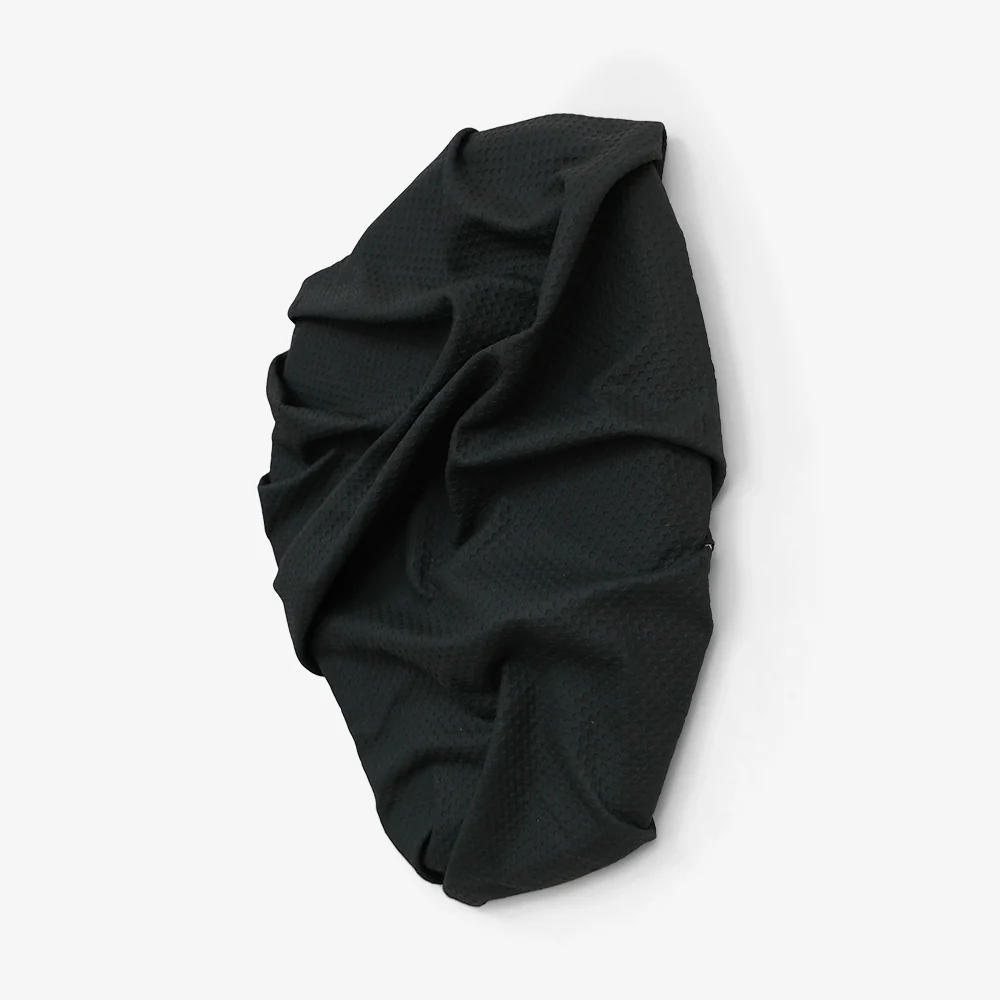
Orrin Whalen’s sculptural paintings chart a descent into the ocean’s most enigmatic reaches, where material and myth entwine. Inspired by the mysteries of the deep sea, this body of work evokes the layered descent from surface shimmer to hadal depth—each piece an abstracted artifact from an imagined underwater journey. Whalen manipulates form like a current: shapes swell and contract, appearing to ripple across the surface, echoing the organic movement of tides and the undulating silhouettes of marine life.
Using a palette that shifts from sunlit translucence to dense, velvety shadow, Whalen mirrors the ocean’s gradations of light and life. His sculptural application of paint transforms each panel into a physical terrain—textured, aqueous, and immersive. The series draws particular inspiration from the Hadalpelagic zone, the ocean’s deepest, least explored layer, where light vanishes and life adapts in alien ways. In referencing this abyssal realm, Whalen's work becomes a meditation on pressure, transformation, and the poetry of the unknown. These are paintings that don’t just depict the sea—they submerge you in it.
In Whalen's words:
"Lately, I’ve been drawn to the lore of the deep sea—capturing its essence through tone and form. This body of work begins to explore organic shapes that undulate like deep ocean currents, and plays with the shifting tones and colors one might encounter while descending into oceanic depths.
Scientifically, the ocean is divided into layers, each supporting different forms of marine life. But beyond these layers lies a realm that feels dreamlike—almost otherworldly. This is the Hadalpelagic zone, named after Hades, the god of the underworld. It is the deepest part of the ocean, marked by extreme conditions: crushing pressure, total darkness, and frigid temperatures.
Each of these pieces represents a step in a descent—an imagined journey into the underworld of the sea. Some evoke the surface, with references to tides or a drifting sunfish. Others sink gradually into shadow, finally arriving at total darkness."
Original: $1,800.00
-65%$1,800.00
$630.00


Description
Orrin Whalen’s sculptural paintings chart a descent into the ocean’s most enigmatic reaches, where material and myth entwine. Inspired by the mysteries of the deep sea, this body of work evokes the layered descent from surface shimmer to hadal depth—each piece an abstracted artifact from an imagined underwater journey. Whalen manipulates form like a current: shapes swell and contract, appearing to ripple across the surface, echoing the organic movement of tides and the undulating silhouettes of marine life.
Using a palette that shifts from sunlit translucence to dense, velvety shadow, Whalen mirrors the ocean’s gradations of light and life. His sculptural application of paint transforms each panel into a physical terrain—textured, aqueous, and immersive. The series draws particular inspiration from the Hadalpelagic zone, the ocean’s deepest, least explored layer, where light vanishes and life adapts in alien ways. In referencing this abyssal realm, Whalen's work becomes a meditation on pressure, transformation, and the poetry of the unknown. These are paintings that don’t just depict the sea—they submerge you in it.
In Whalen's words:
"Lately, I’ve been drawn to the lore of the deep sea—capturing its essence through tone and form. This body of work begins to explore organic shapes that undulate like deep ocean currents, and plays with the shifting tones and colors one might encounter while descending into oceanic depths.
Scientifically, the ocean is divided into layers, each supporting different forms of marine life. But beyond these layers lies a realm that feels dreamlike—almost otherworldly. This is the Hadalpelagic zone, named after Hades, the god of the underworld. It is the deepest part of the ocean, marked by extreme conditions: crushing pressure, total darkness, and frigid temperatures.
Each of these pieces represents a step in a descent—an imagined journey into the underworld of the sea. Some evoke the surface, with references to tides or a drifting sunfish. Others sink gradually into shadow, finally arriving at total darkness."


